Kitchens That Stay Clear of Trails
Ant Control & Colony Elimination in Chandler for recurring kitchen infestations and foundation nesting activity
Arizona heat drives ants indoors during summer months when outdoor soil temperatures exceed tolerable levels and water sources dry up. Professional baiting systems target the colony and queen instead of killing only the ants you see on countertops, which means the infestation stops reproducing rather than temporarily retreating. Sandstorm Pest Control applies interior and exterior treatments across Chandler properties to eliminate sugar ants, fire ants, and carpenter ants at the source.
Treatment begins with inspections to trace ant trails back to nesting locations, which often hide inside wall voids, beneath foundations, or along irrigation lines. Baiting systems allow worker ants to carry treated material back to the colony, where it spreads to the queen and larvae. Surface sprays kill visible ants but don't reach the queen, so colonies rebuild within weeks unless the nest itself is eliminated.
Address ant activity before colonies expand by requesting an inspection that identifies nesting sites and entry points.
How Colony Elimination Stops Recurring Activity
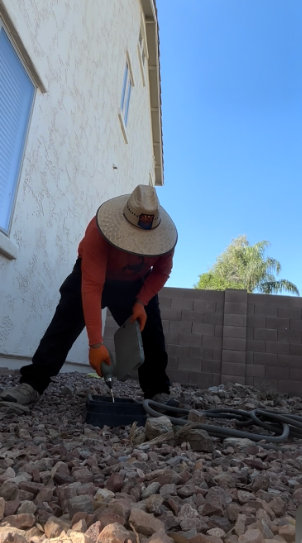
Foundation treatments and crack-and-crevice applications close off entry points where ants access your home, while baiting systems attack the colony structure that produces new workers. You'll see trails on countertops and around pet food dishes because worker ants are foraging for sugar and moisture sources to bring back to the nest. Once baiting systems disrupt the colony, new workers stop appearing even though you may see increased activity for a few days as foragers carry bait back to the nest.
After colony elimination completes, trails disappear from kitchens and bathrooms, and ants no longer reappear around sinks or food storage areas. The change takes one to two weeks depending on colony size because the bait needs time to circulate through the nest and reach the queen. Preventative perimeter barriers keep new colonies from establishing near your foundation once the original infestation is gone.
Recurring infestations happen when treatments only address surface-level activity without targeting the nest, or when new colonies migrate from neighboring properties during seasonal swarming periods. Seasonal reapplications maintain barriers that stop ants before they establish nesting sites inside wall voids or beneath concrete slabs.
Questions About Ant Colony Treatments
Homeowners in Chandler often want to know why ants keep coming back and how professional treatments differ from store-bought sprays.
What's the difference between baiting systems and spray treatments?
Baiting systems eliminate the entire colony including the queen, while sprays kill only the ants you see on surfaces. Sprays provide immediate results but don't stop the colony from producing new workers, so trails return within days or weeks.
How long does it take for ant activity to stop after treatment?
Visible trails usually disappear within one to two weeks as baiting systems circulate through the colony and disrupt reproduction. You may see increased activity for the first few days as worker ants carry bait back to the nest before the colony collapses.
Why do ants invade homes more during Arizona summers?
Extreme heat dries out outdoor nesting areas and forces ants indoors searching for water and cooler temperatures. Kitchens and bathrooms provide both moisture and food sources, which makes them primary targets during peak summer months.
Where do ant colonies typically nest around Chandler homes?
Colonies establish beneath concrete slabs, inside wall voids near plumbing lines, along foundation cracks, and around irrigation systems. Carpenter ants also nest inside damaged wood structures including fence posts and landscaping timbers.
Are ant treatments safe around food preparation areas?
Interior treatments focus on crack-and-crevice applications and enclosed baiting stations rather than surface sprays in kitchens. Baiting systems are placed in areas where ants travel but away from direct food contact, and they're designed to attract ants without posing risk to household members.
Long-term colony elimination requires targeting nests rather than spraying visible trails. Sandstorm Pest Control provides inspections that locate nesting sites and apply treatments designed to stop reproduction at the source.