Properties That Maintain Consistent Pest Standards
Commercial Pest Solutions in Chandler for restaurants, warehouses, offices, and retail properties requiring health code compliance
Discreet treatment strategies minimize disruption to employees and customers while maintaining the consistent pest monitoring required for commercial properties. Sandstorm Pest Control designs customized programs for restaurants managing cockroach and fly activity, warehouses controlling rodent populations, and retail spaces protecting inventory from insect damage. Documentation practices support health code compliance during inspections, and recurring maintenance scheduling keeps pest activity low without requiring emergency interventions that disrupt business operations.
Preventative pest monitoring plans are tailored to different property types because restaurants face different pest pressures than office buildings or storage facilities. Rodent control in warehouses focuses on perimeter exclusion and interior monitoring stations, while restaurant treatments prioritize sanitation-sensitive zones like kitchens and food storage areas.
Request a custom commercial plan that addresses your property's specific pest risks and operational requirements.
What Consistent Commercial Pest Control Accomplishes
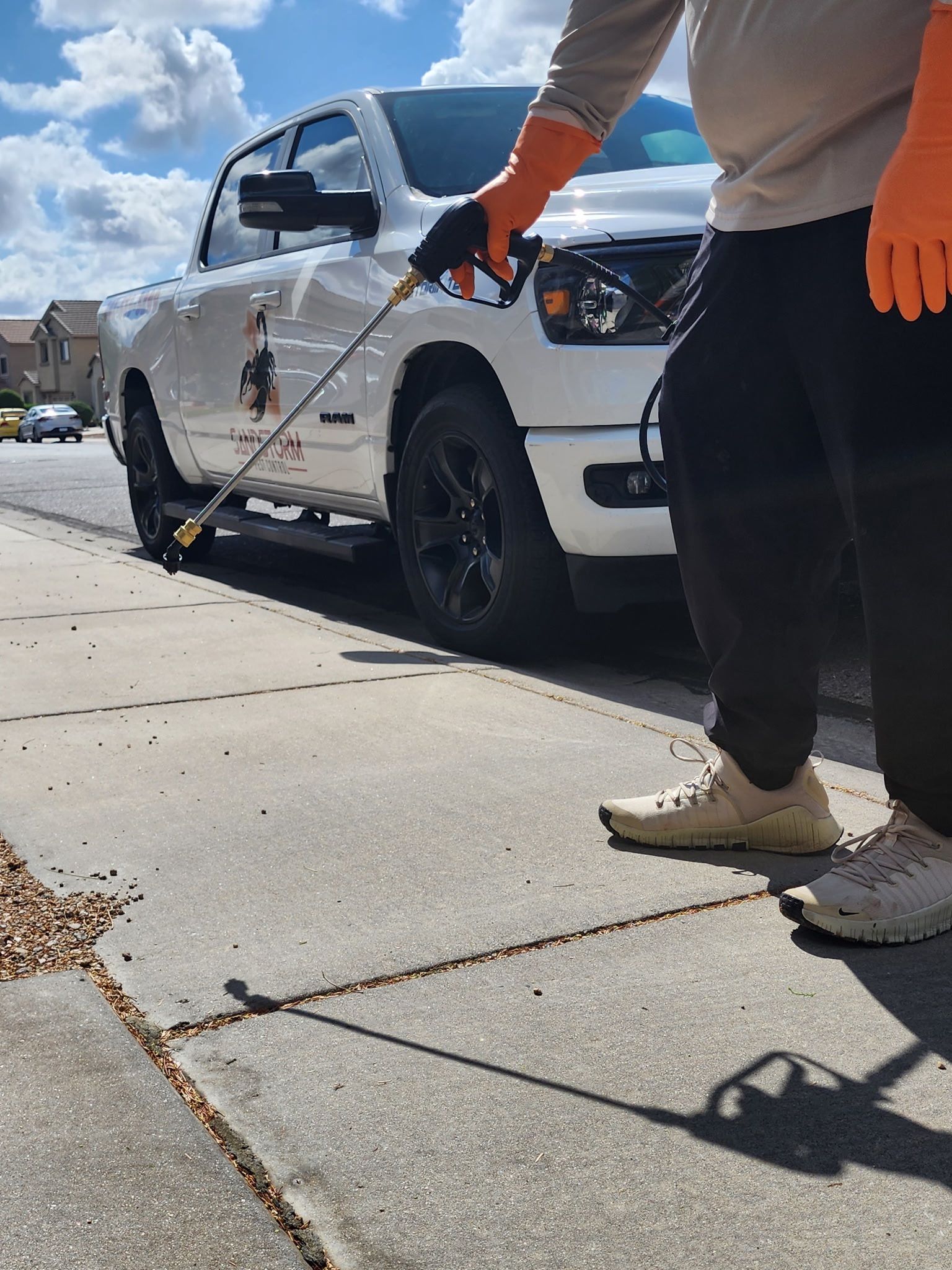
Long-term partnerships with commercial clients depend on reliable communication and consistent property inspections that catch pest activity before it escalates into violations or customer complaints. Sandstorm Pest Control schedules treatments during off-hours or low-traffic periods to avoid interfering with business operations, and technicians use odorless, low-profile application methods that don't draw attention from customers or staff. Perimeter protection strategies stop pests outside the building, which reduces the need for frequent interior treatments.
After implementing a recurring program, property managers notice fewer pest sightings during health inspections, reduced complaints from tenants or customers, and lower risk of pest-related shutdowns or violations. Cockroach activity drops in restaurant kitchens, rodent evidence disappears from warehouse storage areas, and fly populations stay low around trash enclosures and loading docks. Documentation provided after each visit supports compliance records and demonstrates proactive pest management to inspectors and auditors.
Commercial properties require more frequent monitoring than residential homes because higher foot traffic, food handling, and inventory storage create conditions that attract pests continuously. Monthly or bi-monthly service intervals maintain control without allowing pest populations to rebuild between visits, and seasonal adjustments account for increased activity during Arizona's warmer months when insect and rodent pressure intensifies.
What Business Owners Ask About Commercial Programs
Property managers and business owners typically want to know about scheduling flexibility, treatment methods, and how programs adapt to different facility types.
What's included in a customized commercial pest program?
Programs include scheduled inspections, interior and exterior treatments, monitoring stations for rodents and insects, detailed service reports, and direct communication with property managers. Treatment plans are adjusted based on pest activity levels and seasonal changes.
How often do commercial properties need pest treatments?
Most restaurants and food service facilities require monthly treatments to meet health code standards, while offices and retail spaces typically need bi-monthly or quarterly service. Warehouses with high rodent pressure may need more frequent monitoring during cooler months when rodents seek shelter indoors.
Can treatments be scheduled during off-hours to avoid disrupting business?
Yes, technicians can perform treatments before business hours, after closing, or during low-traffic periods to minimize impact on employees and customers. Scheduling flexibility is built into commercial programs to accommodate different operational needs.
How do commercial treatments differ from residential pest control?
Commercial treatments focus on compliance documentation, discreet application methods, and preventative monitoring rather than reactive treatments. Technicians are trained to work in food service environments and understand health code requirements specific to Arizona commercial properties.
What documentation is provided after each service visit?
Service reports include treatment locations, products used, pest activity levels, and recommendations for facility improvements that reduce pest pressure. These reports support health inspections and provide records for compliance audits.
Sandstorm Pest Control builds long-term partnerships with commercial clients across Chandler by delivering consistent results and reliable communication. Contact us to discuss a customized pest program designed for your facility type and operational schedule.