
Stopping Roof Rats Before Attic Damage Occurs
Rodent Control & Exclusion in Chandler for homes with chewing damage and nighttime attic noise
Roof rats exploit openings around tile edges, attic vents, garage door seals, and utility line penetrations to access attics and wall voids where they nest in insulation and chew through electrical wiring. Once inside, rats leave droppings that contaminate storage areas, create odors that permeate living spaces, and produce scratching sounds during nighttime activity that indicate established nests. Sandstorm Pest Control combines baiting stations, trap placement, and monitoring systems with exclusion work that seals the entry points rats use to transition from exterior landscapes into interior spaces.
Exclusion focuses on the small openings rats compress through despite appearing too narrow for entry. Gaps as small as half an inch around roof returns, missing vent screens, and deteriorated weatherstripping provide sufficient access for juvenile rats, which means thoroughness in sealing matters more than addressing only the obvious large openings.
Schedule an inspection at the first sign of droppings in the garage, attic noise after dark, or chewed packaging in storage areas.
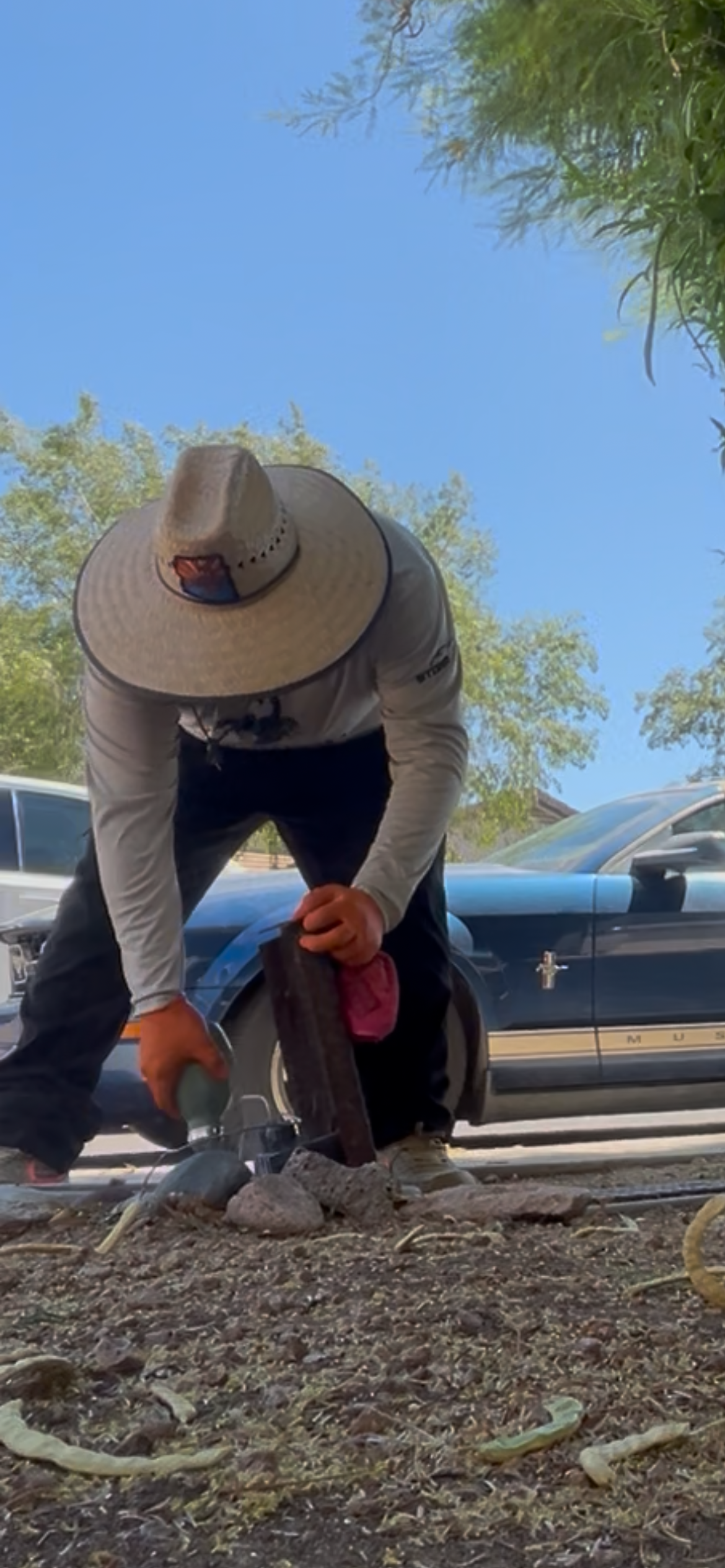
What You Notice Once Rodents Are Eliminated
Baiting strategies use tamper-resistant stations placed along the travel paths rats use to move between outdoor nesting areas and interior access points, while traps are positioned in attics and garages where activity has been confirmed through droppings or damage. Monitoring continues for several weeks after the last sign of activity to confirm the infestation has been fully resolved rather than temporarily suppressed.
Once rodents are eliminated and entry points sealed, the scratching sounds in walls and ceilings stop completely, no new droppings appear in previously affected areas, and the musky odor associated with urine marking dissipates over the following weeks. Food packaging in pantries and garages remains intact, and insulation in attics is no longer disturbed or compressed into nesting material.
Cleanup recommendations address contaminated insulation and droppings that pose health risks even after live rodents are gone. Exclusion work includes installation of vent screens, sealing of roof line gaps with steel mesh, and repair of deteriorated door sweeps that allow ground-level access into garages where rats stage before moving into walls.
What Property Owners Usually Ask
Rodent issues raise concerns about health risks, structural damage, and the time required to fully resolve infestations after entry points have been exploited for months.
How do rats get into the attic if I don't see any large holes?
Rats compress their bodies through openings as small as half an inch, often entering through gaps where roof tiles meet fascia boards or around attic vents with damaged screens.
What health concerns come from rodent droppings?
Droppings carry bacteria and pathogens that become airborne when disturbed, and urine contamination on surfaces poses risks if food preparation areas or storage containers are affected.
How long does it take to eliminate an active infestation?
Most infestations are resolved within two to four weeks depending on population size, but exclusion work must be completed to prevent new rats from re-entering after the initial population is removed.
Why do I need exclusion work if baiting and trapping remove the rats?
Without sealing entry points, new rats from neighboring properties move into the now-vacant territory within weeks, which means the infestation returns unless access routes are permanently closed.
What areas should I inspect for rodent entry around my Chandler home?
Focus on roof line gaps where tiles meet wood trim, attic vent screens, garage door seals, and utility penetrations where pipes or wires enter the structure without proper sealing.
Sandstorm Pest Control provides detailed inspections that identify both active rodent entry points and the vulnerabilities that may allow future access if left unaddressed. Call (602) 539-3299 to arrange an evaluation if you've noticed signs of rodent activity inside your home.